

How Maths Anxiety Begins: What Happened to Us
This is the third post in our blog series, When Maths Triggers Anxiety. If you’re new here, we encourage you to start with the first post. You can explore the full series here.
Our own experiences are important in shaping our fears. One of the most powerful situations that teaches us to fear things is the experience of pain.
For most people, maths anxiety begins long before we can articulate it. Many of us remember a moment in childhood when maths stopped being understandable or worse, a humiliating moment when it became associated with shame. These moments can seed the idea that maths is something threatening. Over time, these moments accumulate, reinforcing self-doubt and eroding confidence.
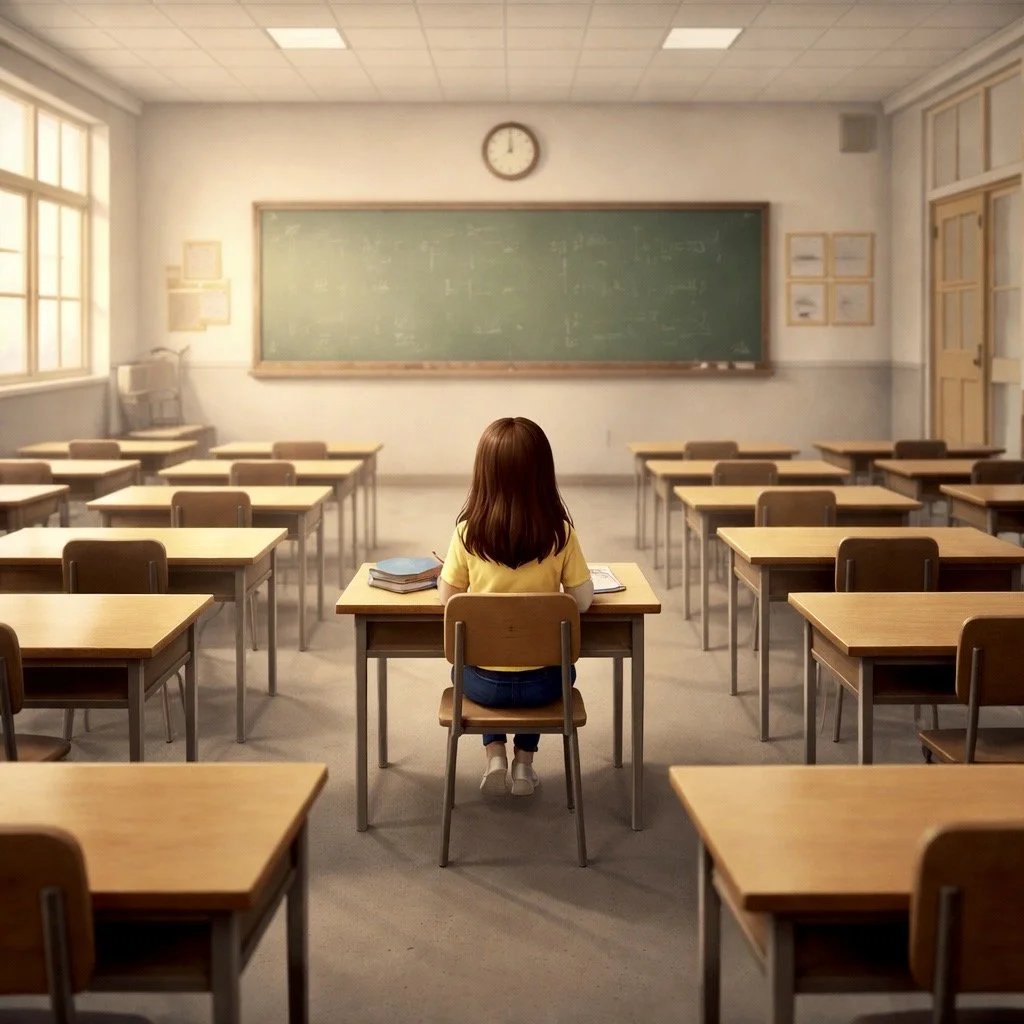
Educational research suggests that emotional responses to early failure often outweigh cognitive ability in predicting long-term maths anxiety. Simply put, how a child feels about maths often matters more than what they actually know.
The role of lack of understanding
A critical factor in the development of maths anxiety is lack of comprehension. When mathematical problems feel incomprehensible, when the connections between concepts are unclear, or when progress feels blocked, anxiety can escalate rapidly.
There are numerous reasons why children experience this lack of understanding. Sudden increases in difficulty without sufficient support, early gaps in foundational knowledge that are never fully addressed, an overemphasis on speed over conceptual understanding, or the memorisation of procedures without grasping underlying principles can all contribute.
When a learner feels “behind” or perpetually struggling, the mind often develops protective mechanisms, most commonly avoidance. Avoiding maths becomes a way to minimise anxiety, yet avoidance ironically deepens the gap in understanding and reinforces the sense of inadequacy. For parents, recognising these structural and instructional factors can help shift the focus from “I was just bad at maths” to “I experienced learning environments that did not support my understanding.”
Unsafe environments
Beyond the internal experience of incomprehension, the environment in which maths learning occurs plays a substantial role in shaping anxiety. Educational psychologists often identify three particularly influential subcategories: pressure to perform, public negative experiences, and time pressure.
Pressure to perform: When children perceive that success is demanded rather than encouraged, anxiety increases. A culture of perfectionism, whether reinforced at home or in the classroom, can make mistakes feel catastrophic. Students internalise the belief that errors are personal failings rather than opportunities to learn, which heightens stress and discourages risk-taking.
Public negative experiences: Experiences such as being corrected harshly in front of peers, receiving ridicule for mistakes, or being called to solve a problem on the board and freezing are particularly damaging. Public shaming, even if mild, reinforces fear of judgement and can create long-lasting emotional scars that shape one’s maths identity.
Time pressure: Timed tests and rapid pacing of lessons can also exacerbate anxiety. When learners feel they must solve problems quickly, attention shifts from understanding to survival, and confidence erodes. Over time, the association between maths and panic can become automatic, with physiological responses like a racing heart or tension in the body triggered even before a problem is attempted.
Each of these environmental factors interacts with personal experiences, creating a feedback loop where negative feelings reinforce avoidance, which in turn deepens gaps in knowledge and strengthens the emotional response to maths.
Shame and comparison
Beyond comprehension and environment, another potent contributor is shame and comparison. Children quickly notice who seems to “get it” and who struggles, forming beliefs about their own abilities relative to peers. This social comparison can amplify feelings of inadequacy, particularly when coupled with environments that prioritise performance over process. Shame is insidious because it often becomes internalised; learners blame themselves rather than recognising external factors that may have hindered their development. This internalisation is a common pathway from frustration to long-term anxiety.
Final words
Understanding the roots of maths anxiety in students — how incomprehension, unsafe environments, and shame can shape both performance and identity—offers parents a powerful lens for support. By recognising the signs of these negative experiences, parents can more accurately diagnose what their child is struggling with and actively help them move from avoidance and anxiety toward understanding, confidence, and a more positive relationship with mathematics.
